
Start-ups. A love-hate relationship.
Forget everything you’ve been told about the cool start-up life. It’s not true. Forget everything you are told about the courage, inspiration and motivation of entrepreneurs. It’s not true. The truth is: things go wrong. Disasters happen. No one is unaffected at the beginning. However, the same happens with the positive things. That’s why I think start-ups are great.
(Reading time: 3 minutes)
There are start-ups and start-ups.
There are start-ups that simply form a new company in an established market and there are potentially (!) disruptive start-ups. I am convinced that disruptive start-ups must always port a new business model/product, always bring forth new technology, however and whatever it may be, and show a path to profitability for the aforementioned things.
I knew from the start that this was not an easy game. But the number of parallel challenges is always immense. Especially when, like us at Accounto, you want and have to take big steps in all three dimensions at the same time. A company like this is a mission. Not a project.
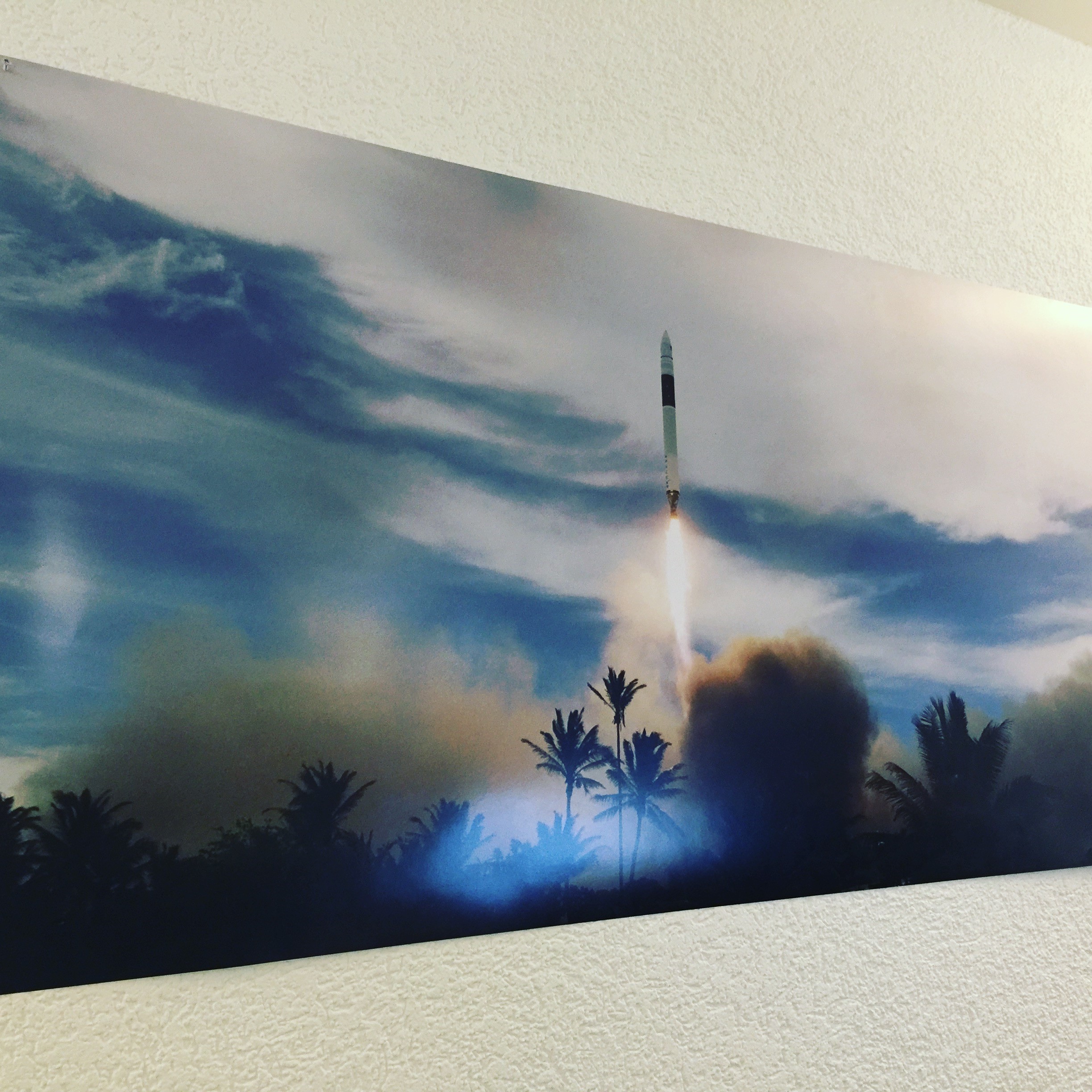
Like a rocket
A poster of the 4th launch of SpaceX’s Falcon 1 rocket hangs in our office as a silent reminder.
The story is quickly told: As SpaceX’s very first rocket, and first privately financed development, 3 launch attempts went wrong and ended in the loss of the respective missiles. Originally, 3 launches were planned. However, there was still a 4th launch because the people at SpaceX did not let up and dared to try again with the proverbial very last bit of money.
That teaches you 3 things:
- Things that seem impossible become possible if you keep at it and keep working even after depressing and hopeless setbacks.
- Things go wrong. Rockets explode. Everything is always possible. You should never be too sure of anything.
- When things are not going well, to put it mildly, you never know how far away you might still be from a breakthrough. Maybe it’s just a single attempt away.
Inspiration & motivation
For a long time, I thought you had to have a lot of inspiration and motivation to drive a company forward.
On January 2 of this year, however, my motivation and inspiration were definitely gone. I had spent the last week of the previous year worrying about my eldest son and had spent New Year’s Eve and my birthday in hospital. Not that I was going to make anything of my birthday, but then again I hadn’t imagined it would be like this.
This “low point” was preceded by 4 months of grueling work. Without any rest. I was broken.
And then something happened that I had never experienced before. I just carried on and tried to do my best. Neither inspired nor motivated. It felt strange at first. But I soon realized that I was no longer burdened with ballast, that I had fewer things to worry about mentally and that I was more rational, faster and more direct. And more efficient.
Inspiration is for TEDx
After doing a little research last month, I realize that I am far from alone in this. Many entrepreneurs are obviously secretly detaching themselves emotionally from their companies. It seems that a lot of motivation is actually needed to decide to start a business – a lot of inspiration to develop a vision. But afterwards, when it comes to implementation, this seems to be a hindrance.
Maybe that’s why we see so many talks at conferences where inspiration and motivation are touted. Because it’s always about that first leap into the start-up adventure. The real challenge starts right after that. With the daily implementation.
Artikel auf Social Media teilen: